
Why haven’t the exterior walls been insulated? The board’s duty to maintain common areas
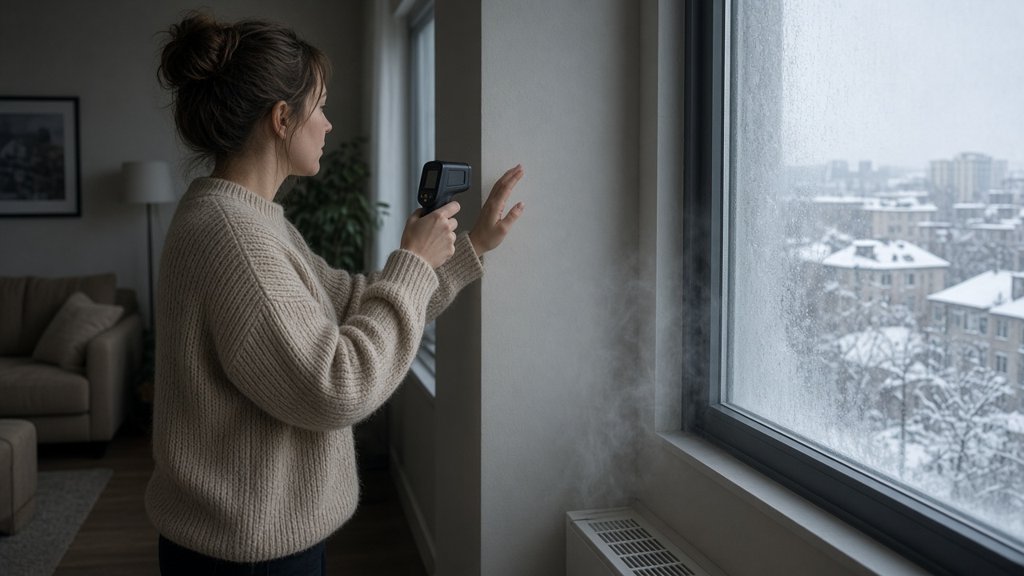
Have you ever checked your walls and wondered why the condo has not insulated the exterior walls? Have you ever felt cold air coming in and asked why the walls haven’t been maintained? The board has an obligation to maintain the common areas, and the exterior walls are part of the common areas.
This is general information, not legal advice, and not a finding about the condition of any particular wall or unit.
Who owns the exterior walls?
In a Massachusetts condominium, you own your unit. The building’s structure belongs to all the owners together as “common areas and facilities.” The state condominium statute, M.G.L. c. 183A, § 1, defines common areas and facilities, “except as otherwise provided or stipulated in the master deed,” to include “the foundations, columns, girders, beams, supports, party walls, common walls, main walls, roofs” and “all other parts of the condominium necessary or convenient to its existence, maintenance and safety.”
The building’s own Master Deed says the same thing for 3920. Master Deed, ¶ 7(C)(i), page 6, lists as Common Elements:
“The roof (subject to the exclusive rights and easements of the owner of the Penthouse Unit to use certain portions thereof as hereinbefore provided), all foundations, columns, girders, beams, supports and bearing walls and those portions of the exterior walls of the Building and those portions of the walls of the Building dividing a Unit from other Units and Common Elements not included within the boundaries of the Units, and all floor joists and structural flooring members;”
Where is the line? The Master Deed’s unit-boundary paragraph (¶ 6(C)) puts the unit boundary at exterior walls at the plane of the interior surface of the wall studs facing the unit. In plain English: what is behind your drywall, in the wall cavity and out to the brick, is generally a common element, not yours.
Who has to maintain them?
Under c. 183A, the organization of unit owners (here, the Trust acting through its trustees) manages the common areas. Section 1 defines “common expenses” as “the expenses of administration, maintenance, repair or replacement of the common areas and facilities.” Section 10(k) requires the organization to “designate a person or entity who shall oversee the maintenance and repair of the common areas of the condominium” and to tell all owners in writing who that is. Section 10(i) requires “an adequate replacement reserve fund.” Section 10(b)(6) also gives the organization power to require “reasonable measures to facilitate energy savings, energy efficiency and greenhouse gas emissions reductions.”
The Master Deed adds, in ¶ 28(I): “The Trustees shall be required to establish and maintain an adequate reserve fund for the periodic maintenance, repair, and replacement of those portions of the common areas that the Trust is obligated to maintain.”
So if your walls are cold or drafty, ask: is the problem in the unit, or in the wall assembly that belongs to everyone? If it is in the wall assembly, shouldn’t the Trust be looking at it?
How to check your own walls
- Touch test. On a cold day, does the inside face of an exterior wall feel much colder than an interior wall?
- Drafts. Do you feel air at outlets, switch plates, baseboards, or where the wall meets the window frame? A lit incense stick or a strip of tissue can show air movement.
- Condensation. Do you see moisture, frost, or dark spots at wall corners, behind furniture, or below windows?
- Measure it. An inexpensive infrared thermometer, or a phone thermal camera attachment, lets you compare exterior-wall surface temperatures with interior walls in the same room. Large, consistent differences, or cold stripes and patches, are worth writing down.
- Keep a record. Note the date, time, outdoor temperature, and the reading, and take a dated photo.
Why it matters
- Heat loss and bills. Poorly insulated or poorly sealed walls let heat escape, so you pay more to stay warm.
- Condensation and mold. Warm indoor air that meets a cold surface can condense, and persistent moisture can lead to mold. See mold symptoms and water and mold.
- Comfort. Cold walls and drafts make rooms feel colder than the thermostat says, at 3920 or anywhere else.
What owners can do
- Put it in writing. Send a dated written maintenance request to the board and the managing agent describing what you observed, with photos and readings.
- Ask for records. Under c. 183A, § 10, owners may inspect the Trust’s records, including contracts for work and reserve-fund records. See how to request condo records.
- Ask who oversees maintenance. Section 10(k) says owners must be told in writing who oversees common-area maintenance and repair.
- Raise it at the annual meeting. Ask whether the exterior walls have been evaluated for insulation and air sealing, and whether the reserve covers it.
- Keep your own file. Dated photos, temperature readings, and copies of every request and reply.
Hiring a lawyer to advocate for you
You don’t have to handle this alone. An owner, or a group of owners together, can hire a Massachusetts attorney who handles condominium matters to advocate for them with the board and the managing agent. A lawyer can review the Master Deed and trust documents, send a formal written demand that the common areas be maintained, request records on the owners’ behalf, and advise on next steps if the board does not respond, including whether a court action under c. 183A makes sense.
Many lawyers offer a short first consultation, and owners with the same problem can share the cost. A list of firms is on the Owner resources page; listing a firm there is not an endorsement.
Sources
- M.G.L. c. 183A, § 1 (definitions: common areas and facilities; common expenses)
- M.G.L. c. 183A, § 10 (organization of unit owners; records; reserve; maintenance oversight)
- Mystic River Park Condominium Master Deed, ¶ 6(C), ¶ 7(C)(i) (p. 6), ¶ 28(I)
More: Failing brick & mortar · Condo records · Water & mold