
Housing discrimination in Massachusetts: where to get help, and you don’t need a lawyer
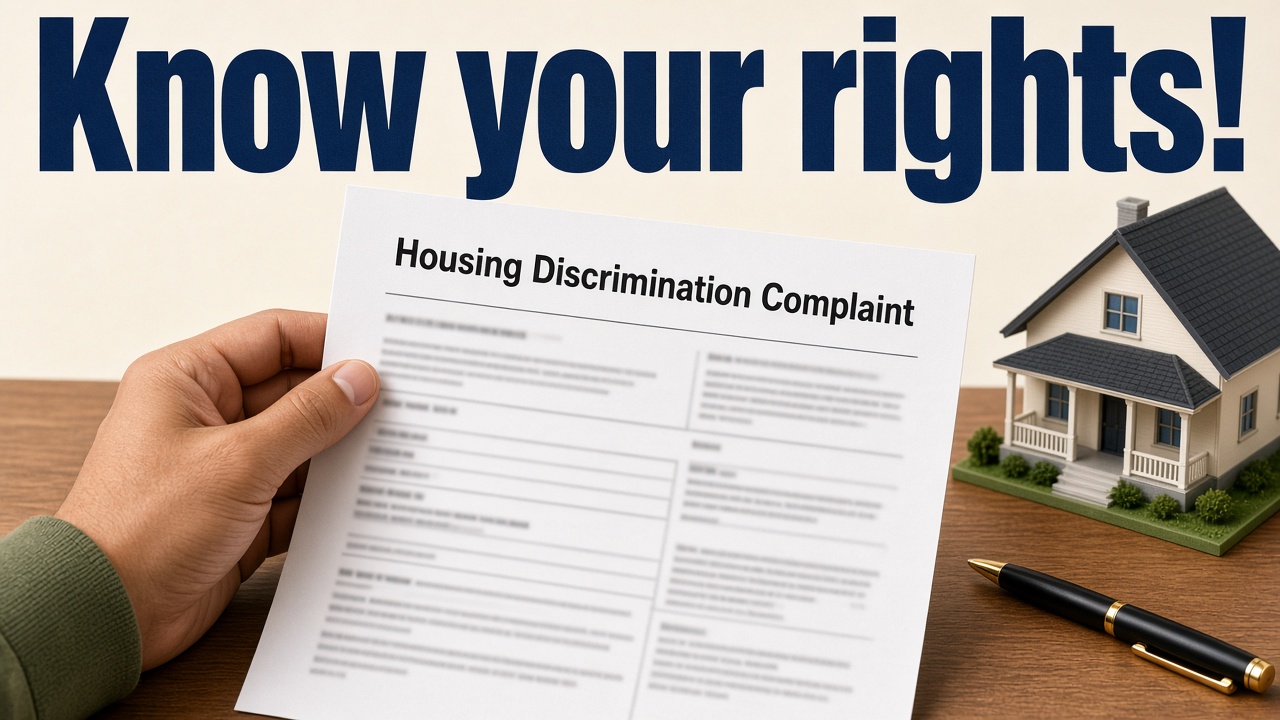
If you’ve been a victim of housing discrimination at 3920 Mystic Valley Parkway in Medford, or anywhere else, there are resources and you don’t need a lawyer.
This is general information, not legal advice, and we are not saying discrimination has happened here. It applies to anyone renting, buying, or living in a condo in Massachusetts.
Where to get help: an overview
- Massachusetts Commission Against Discrimination (MCAD). The state agency that investigates complaints of discrimination in housing, employment, and other areas. Filing is free.
- U.S. Department of Housing and Urban Development (HUD). The federal agency that takes housing discrimination reports under the federal Fair Housing Act.
- Fair Housing Center of Greater Boston. A nonprofit that offers advice and advocacy and can help you decide whether to go to MCAD, HUD, or court.
- Free legal help. MassLegalHelp has plain-language housing guides, and Greater Boston Legal Services runs a housing intake line at 617-603-1807 for eligible tenants.
- Boston and Cambridge also have their own local fair housing commissions for incidents inside those cities.
MCAD: how to file
According to the MCAD’s guide to its case process, “Legal representation is not required to file and there is no cost to file a complaint.”
- Watch the deadline. A complaint must be filed within 300 days of the last discriminatory act. Limited exceptions are decided case by case, so don’t count on one.
- Do an intake. The MCAD offers intake in person at its Boston, Worcester, and Springfield offices (walk-in, first come, first served, weekdays), virtually by Zoom, or by mail. Boston headquarters: 1 Ashburton Place, Suite 601, Boston, MA 02108; (617) 994-6000. MCAD says visiting an office is the quickest option.
- Mail-in complaints must be signed and dated and include your contact information, who you are filing against, your protected class, what happened with dates, and a sworn statement. Complaints are not accepted by email or fax. See MCAD’s mail-in instructions.
- Investigation. MCAD investigates as a neutral agency. An Investigating Commissioner then issues a written finding: probable cause, lack of probable cause, or lack of jurisdiction.
- Conciliation. After a probable cause finding, a free conciliation with an MCAD mediator is mandatory. If you don’t have your own lawyer, MCAD assigns Commission Counsel to the case. Earlier voluntary mediation may also be offered.
- Public hearing. If the case doesn’t settle and is certified, it can go to a public hearing, where both sides present witnesses and evidence.
The federal option: HUD
You can also report to HUD online, by phone at 1-800-669-9777, or by mail. HUD’s deadline is longer: within one year of the last incident (42 U.S.C. §3610). Either way, file as soon as you can.
What is housing discrimination?
In plain terms, housing discrimination is treating someone differently or worse in housing because of who they are, meaning a protected characteristic. It also covers refusing a reasonable accommodation for a disability, harassment, and retaliating against someone for asserting their rights. Mass.gov’s overview says these laws protect you from unfair treatment by a landlord, management company, or condo association.
Protected characteristics under Massachusetts law (M.G.L. c.151B and 804 CMR 2.00) and the federal Fair Housing Act include race, color, religion, national origin, ancestry, sex, sexual orientation, gender identity, age, marital status, veteran or military status, disability, children/familial status, and receipt of public assistance or a housing subsidy, including Section 8 vouchers.
Examples (drawn from Mass.gov guidance):
- Refusing to rent, sell, or negotiate with someone because of a protected characteristic.
- Setting different terms, rules, or fees for a voucher holder, or refusing to cooperate with a voucher program’s requirements (MCAD Know Your Rights).
- Steering families with children away from certain buildings, or telling them a unit “isn’t right for kids.”
- Ads that signal a preference, such as “no vouchers” or “no kids.”
- Refusing a reasonable request to change a rule, or to allow a modification, that a person with a disability needs to use their home.
- Harassment, or punishing someone (retaliation) for complaining or helping someone else complain.
What to gather
- A written timeline with dates and times: who, what, where, and when.
- Names and contact information of everyone involved and any witnesses.
- Notices, letters, leases, rules, ads, emails, and texts.
- Photos and notes of any statements made to you, as close to word for word as you can.
The Fair Housing Center says: “The most important thing that you can do to help yourself is to have the details about what happened written down!”
Sources
- MCAD: Complaints of Discrimination; Guide to the MCAD Case Process; Filing Deadline; How to File; Mail-in Instructions; ADR; Overview of Housing Discrimination; Know Your Rights; 804 CMR 2.00
- HUD: Report Housing Discrimination; 24 CFR Part 103
- Fair Housing Center of Greater Boston; MassLegalHelp; Greater Boston Legal Services